Wisconsin to Arizona Road Trip: A Snowbird's Route Guide
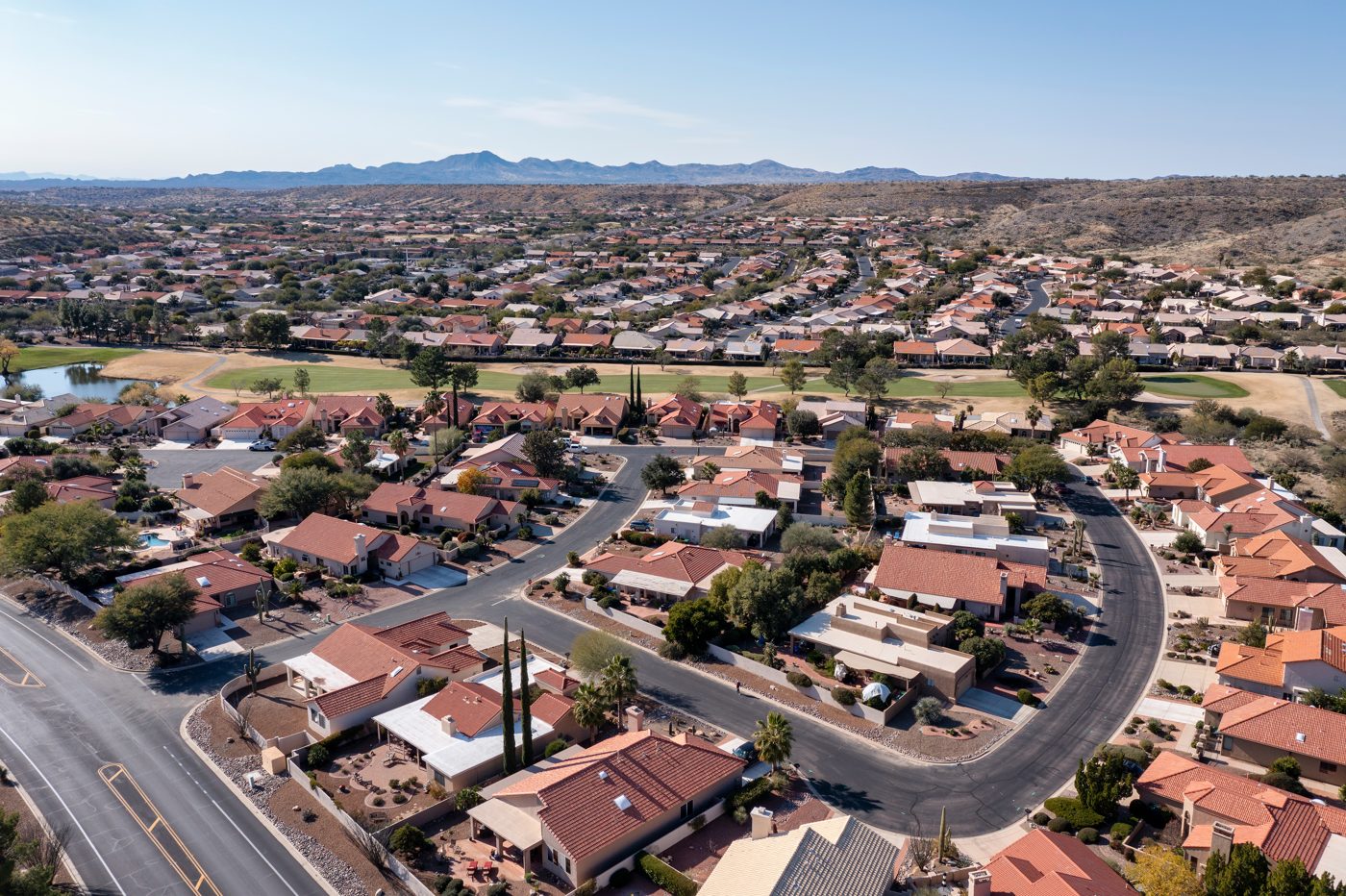
Spend one winter Sunday in Green Valley and you'll learn two things: half the license plates in the parking lot read America's Dairyland, and there is never any trouble finding a bar showing the Packers. Wisconsin snowbirds figured out the dry side of the snowbird map a long time ago. The only thing standing between you and joining them is the drive, so here's the guide that makes it manageable: the winter-safe route from Milwaukee, a realistic five-day plan, and the stops genuinely worth your blinker. It joins our Minnesota route, our Chicago route, and our Michigan route as the fourth leg of the snowbird family reunion.
How Long Does It Take to Drive from Wisconsin to Arizona?
From Milwaukee, plan on about 1,950 miles and roughly 29 hours of driving to reach Green Valley, just south of Tucson, on the all-interstate route we recommend. Online calculators will quote you a bit less, but they do it by threading two-lane shortcuts through the high plains, which is exactly where you don't want to be in January. Stick to the interstates, take four nights on the road, and every day stays well under eight hours behind the wheel. Starting from Madison trims about 20 miles; from Green Bay or the Fox Valley, I-41 down to Milwaukee adds about two hours to day one.
The Winter-Safe Route from Wisconsin to Arizona
From Milwaukee the move is I-43 southwest to Beloit, where I-39 takes over and runs you straight south past Rockford to Bloomington-Normal. There you land on I-55, the same pavement as our Chicago route, down through Springfield to St. Louis. From there it's the series' proven spine: I-44 through Springfield, Missouri, Tulsa, and Oklahoma City, I-40 west across the Texas Panhandle, and then, the key move, exiting I-40 at Albuquerque to drop south on I-25 and I-10 through Las Cruces, skipping Flagstaff's 7,000-foot snow zone entirely. The last hour rolls down I-19 past Tucson to Green Valley.
Why not through Chicago? Because you don't have to. The I-39 line is slightly shorter, skips the Tri-State's tolls and the Loop's traffic, and trades bumper-to-bumper for farm country where the cruise control never blinks. Madison drivers merge into the same line at Rockford via I-90 through Janesville, and everything below applies from there.
Want this in your pocket? Open the full route in Google Maps and save it offline before you leave.
Day-by-Day Itinerary: Milwaukee to Green Valley
Here's the five-day pace we'd drive ourselves. Day one is the gentle launch — you're under the Gateway Arch by late afternoon — and you bank an extra hour crossing into Mountain time on day three. If you'd rather front-load the miles, push day one to Rolla or Springfield, Missouri and shorten day two.
| Day | Drive | Miles | Hours | Overnight |
|---|---|---|---|---|
| Day 1 | Milwaukee → St. Louis (I-43, I-39, I-55) | ~375 | 5.5 | St. Louis, MO |
| Day 2 | St. Louis → Oklahoma City (I-44) | ~500 | 7.5 | Oklahoma City, OK |
| Day 3 | Oklahoma City → Tucumcari (I-40) | ~370 | 5.5 | Tucumcari, NM |
| Day 4 | Tucumcari → Las Cruces (I-40, I-25) | ~400 | 6 | Las Cruces, NM |
| Day 5 | Las Cruces → Green Valley (I-10, I-19) | ~300 | 4.5 | Home 🌵 |
Best Stops on a Wisconsin to Arizona Road Trip
Day one is all new territory for this series, and downstate Illinois quietly has some of the best roadside America on the whole drive. A few worth building your days around:
- Last call for cheese, Milwaukee: the Public Market in the Third Ward opens at 8 a.m. — load the cooler with curds and summer sausage on the way out of town. A Wisconsin cooler travels a lot better than a Wisconsin winter.
- Rockford's gardens: the Nicholas Conservatory's tropical glasshouse on the Rock River is open all year, and October leavers can still catch Anderson Japanese Gardens, one of the finest Japanese gardens in North America, before it closes for the season at the end of the month.
- Illinois Route 66, from Normal south: at Bloomington-Normal you land on the Mother Road corridor. The Railsplitter Covered Wagon in Lincoln — the world's largest, with a giant Abe at the reins — and Atlanta's Paul Bunyon statue cradling an enormous hot dog are each five minutes off the interstate.
- Springfield, Illinois: the Lincoln Home National Historic Site is free, the Presidential Museum is the best two hours of history on the route, and the Cozy Dog Drive-In, birthplace of the corn dog, is the correct lunch.
- Gateway Arch, St. Louis: roll in by late afternoon and picnic under it on the riverfront, or book the tram to the top in advance (timed-entry, about $19 to $23). The museum underneath is free.
- Meramec Caverns, Stanton, MO: under an hour past St. Louis on I-44, the barn-roof-billboard cave where Jesse James supposedly holed up. It holds 60 degrees inside no matter what the Ozarks are doing, which makes it the rare roadside stop that improves in January.
- The Blue Whale of Catoosa: Route 66's grinning blue whale swims in its pond minutes before Tulsa, where the Gathering Place riverfront park remains this series' favorite morning-coffee stop.
- Cadillac Ranch and the Big Texan, Amarillo: bring a can of spray paint for the nose-down Cadillacs and an appetite for watching someone else attempt the 72-ounce steak.
- Tucumcari, New Mexico: your day-three overnight is the best-preserved Route 66 main street anywhere: neon, murals, and the Blue Swallow Motel's glow. One caveat: the Blue Swallow goes dark for January and February, so mid-winter drivers should book a chain motel and settle for the neon walk.
- New Mexico's victory lap: adobe-plaza lunch in Old Town Albuquerque, green chile in Hatch just off I-25, and the Spanish-colonial plaza of Mesilla outside Las Cruces, best saved for your last morning.
Tolls, Weather, and the Boring-but-Important Stuff
- Nearly toll-free. The only tolled pavement on this route is the short, cashless I-90/39 stretch between the state line and Rockford: a couple of dollars with an I-PASS, or pay online within 14 days by Pay By Plate. Then nothing until Oklahoma, where I-44's Will Rogers and Turner turnpikes run about $11 with a PikePass or roughly $21 by PlatePay, billed by mail to the vehicle's registered owner, Wisconsin plates included. West of Oklahoma City you won't see another toll all the way to Tucson.
- I-39 is the windy one. The prairie between Rockford and Bloomington is wide open, and a strong crosswind day will lean on a high-profile vehicle or anything towing. It's also ground-blizzard country once real snow arrives — one more reason the mid-October to mid-November window is the smart exit.
- Fuel up in Tucumcari or Santa Rosa. West of Santa Rosa, I-40 runs about 56 miles to Clines Corners with essentially no services, and New Mexico's rest areas don't sell fuel. The Love's at Tucumcari's exit 333 is the easy habit.
- The route's roof is east of Albuquerque. I-40 tops out around 7,200 feet crossing Tijeras Pass, and the Clines Corners plateau behind it has closed in winter storms. It's one morning of high country, so check the forecast before the day-four leg and you'll cross it dry.
- Build in a weather day. The I-44 corridor through Missouri and Oklahoma is a classic ice-storm belt, and the Texas Panhandle can throw a proper blizzard — one closed I-40 at Amarillo in January 2025. A flexible extra day beats white-knuckle driving every time.
- Pack like a snowbird. Our Minnesota route guide includes the full snowbird pre-trip checklist (documents, meds, pets, house shutdown); it applies word for word from Wisconsin.
The Green Valley Finish
Coming down I-19 with the Santa Ritas on your left, you're 25 minutes from Tucson and a world away from a Lake Michigan February. Green Valley's winter streets fill up with Wisconsin plates for a reason, and yes, the Packers game will be on. If this is the year you stop renting the sunshine and start owning it, start with our snowbird's guide to buying in Tucson, then see how Green Valley compares in our guide to the best 55+ communities in Tucson.
Wisconsin to Arizona Road Trip FAQ
How long does it take to drive from Wisconsin to Arizona?
From Milwaukee, plan on about 1,950 miles and roughly 29 hours of driving to reach Green Valley, just south of Tucson, on the all-interstate winter route. Four overnight stops keeps every day well under eight hours behind the wheel, which is why we lay it out as a five-day drive. From Madison it is about 20 miles shorter; from Green Bay, add about two hours.
What is the best route from Wisconsin to Arizona in winter?
From Milwaukee, take I-43 southwest to Beloit, drop south on I-39 past Rockford to Bloomington-Normal, and pick up I-55 to St. Louis. From there it is I-44 through Tulsa and Oklahoma City, I-40 west to Albuquerque, then south on I-25 and I-10 through Las Cruces to Tucson. It is the same winter-proven spine as our Minnesota, Chicago, and Michigan routes, and by exiting I-40 at Albuquerque you skip Flagstaff's 7,000-foot snow country entirely.
Do I have to drive through Chicago?
No, and that is half the point of this route. I-39 through Rockford runs straight south through quiet farm country and drops you onto I-55 at Bloomington-Normal: slightly shorter than going through the city, nearly toll-free, and with no rush hour to time. Madison drivers join the same line at Rockford via I-90 through Janesville. If you would rather ride the Route 66 corridor from the Loop itself, that is our Chicago route guide.
Are there tolls driving from Wisconsin to Arizona?
Almost none. The only tolled pavement on this route is the short, cashless I-90/39 stretch between the Wisconsin line and Rockford: a couple of dollars with an I-PASS, or pay online within 14 days by Pay By Plate. Then nothing until Oklahoma, where I-44's Will Rogers and Turner turnpikes cost about $11 with a PikePass or roughly $21 by PlatePay, billed by mail to the vehicle's registered owner. West of Oklahoma City you will not see another toll all the way to Tucson.
When should snowbirds leave Wisconsin for Arizona?
Mid-October to mid-November is the sweet spot: you cross the I-44 ice-storm belt before it wakes up, the exposed I-39 prairie stretch is still dry, and you land in Green Valley just as daytime highs settle into the 70s. One quirk to remember: Arizona does not observe daylight saving time, so once the clocks change in November, Wisconsin runs an hour ahead of your new desert schedule.
Ready to winter on the dry side?
Tell us when you're heading down and we'll have communities and homes lined up to tour when you arrive. No pressure, just local expertise.
Get in Touch