The Snowbird Lock-and-Leave Checklist: How to Close Up Your Tucson Home for the Summer
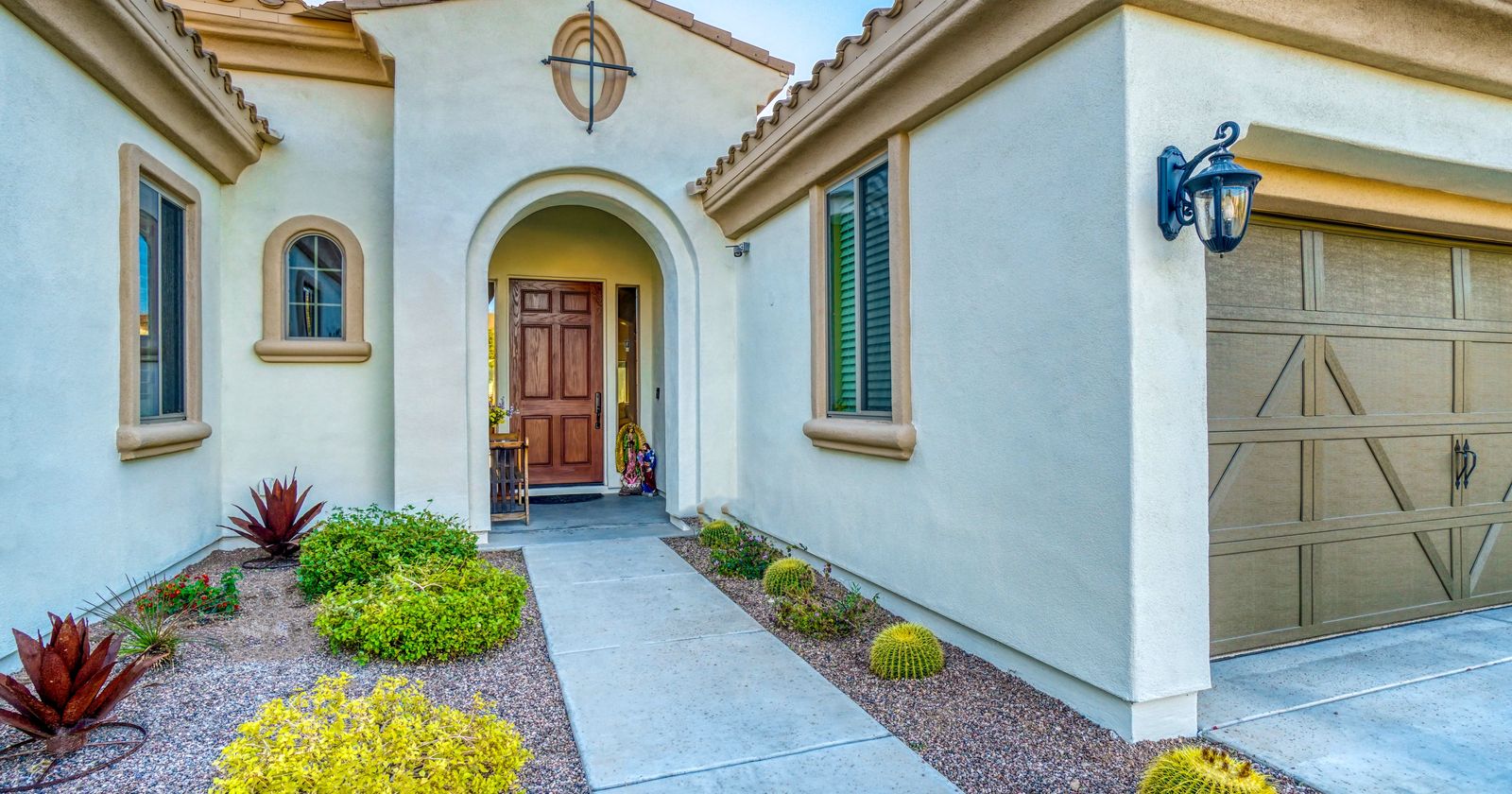
Every April we get the same call from clients heading north: "What do we actually need to do before we lock the door?" After more than 20 years of helping snowbirds settle in Tucson and Green Valley, we have a routine, and this is it, written for a furnished winter home that will sit empty from roughly May to October. Still shopping? Start with our snowbird's guide to buying in Tucson and come back to this page after closing.
Why an Arizona summer is hard on an empty house
A house in Minnesota gets winterized because of cold. A house in Tucson needs the same care because of heat, water, and wildlife. Per the National Weather Service Tucson office, normal daily highs run about 101 degrees in June and 100 in July, and the official monsoon season runs June 15 through September 30. Those storms deliver roughly 2.2 inches of rain in July and 2 inches in August, plus lightning, dust storms with 40 to 60 mph gusts, and thunderstorm winds that can exceed 100 mph.
Then there is the desert itself: packrats hunting for shade in garages and engine bays, dust in every gap, and a small drip under a sink that becomes a mold problem when nobody opens the door for four months. None of this is a reason not to own here. It is a reason to spend two weekends closing up properly.
Two weeks out: insurance, home watch, and your neighbors
Read the vacancy clause in your homeowners policy
Most homeowners policies limit coverage on a vacant home after 30 or 60 consecutive days, after which theft, vandalism, and water damage are commonly excluded. The good news is the definition: in industry usage, "vacant" means no people and no personal property, while a furnished home whose owner plans to return is "unoccupied" and keeps standard coverage. Insurers phrase this differently, so call your agent, give them your dates, ask how your policy defines vacancy and whether a vacancy endorsement is worth adding, and get the answer in writing.
Book a home watch service
A home watch company makes scheduled visual inspections while you are gone, checks for leaks, pests, storm damage, and failed systems, and calls you the same day if something is wrong. The National Home Watch Association accredits companies that pass criminal background checks and carry liability insurance and bonding, and its directory lists members serving Tucson, Oro Valley, SaddleBrooke, Marana, and Green Valley. Ask for a photo report after each visit. In Green Valley, the Sheriff's Auxiliary Volunteers (gvsav.org) also perform routine exterior home checks at no cost if you list a local key holder.
"A home watch visit costs less than a lunch out. The one client who skipped it came back to a water heater that had been running down the hallway since June." David Urbaniak
Tell the HOA, GVR, and a neighbor
Give your HOA and your home watch company each other's contact information and your northern address, and keep the contact details on your Green Valley Recreation account current so GVR notices reach you. Leave a spare key and alarm code with one trusted neighbor, and put your home watch company on the gate's approved list.
Water: the biggest risk in the house
- Shut the main. Find the shut-off valve where the line enters the house (often near the front hose bib or in the garage), close it, and open a faucet to relieve pressure. A supply line that fails behind a toilet cannot flood a house with no pressure behind it.
- Water heater to vacation mode. TEP recommends vacation mode or lowering the setting to about 50 degrees. If you shut the main, also turn off a gas heater's burner or the breaker on an electric one so the tank never heats dry.
- Keep the drip system alive. Desert landscaping still needs water in June. Most Tucson homes have the irrigation valve on its own branch ahead of the house shut-off; check that yours does, then set a summer schedule. Established low-water shrubs and trees rarely need more than once a week, early in the morning. Have your home watch walk the lines monthly; a chewed emitter can run for weeks.
- Do not let the traps dry out. Every sink, tub, shower, and toilet has a water seal that evaporates in a few weeks of Tucson heat and lets sewer gas into the house. Run water in each fixture, then add a few tablespoons of mineral oil on top so it cannot evaporate. Close toilet lids and treat floor drains and the laundry standpipe too.
- Appliance lines. Turn off the washer, dishwasher, and ice maker valves and leave the washer lid and dishwasher door cracked.
HVAC and the thermostat: 82 to 85, not off
The question we hear most. Tucson Electric Power's guidance for an empty home is to set the thermostat between 82 and 85 degrees and not shut the system off. Two reasons. First, once monsoon humidity arrives the air conditioner is also your dehumidifier, and above about 85 it may not cycle enough to keep mold off drywall and grout. Second, a sealed house with no cooling can climb well past outdoor temperatures, which is hard on electronics, wine, adhesives, and cabinetry. Holding 83 degrees costs far less than a mold remediation.
| System | Summer setting | Why |
|---|---|---|
| Thermostat (cool) | 82 to 85 F, per TEP | Controls humidity and heat without paying to cool an empty house |
| Water heater | Vacation mode or about 50 F | No hot water needed; prevents heating an empty tank |
| Refrigerator | Empty and off if gone more than a month (TEP) | Prop doors open to prevent odor and mold |
| Ceiling fans, electronics | Off and unplugged | Fans cool people, not rooms; unplugged gear survives surges |
Before you leave, change the filter, have the system serviced, and clear the condensate drain line, a common source of summer water damage. A smart thermostat that reports temperature and humidity to your phone is the best gadget a snowbird can own; set an alert above 90 so you hear about a failed compressor before your home watch does. Ask an electrician about a whole-house surge protector at the panel, since monsoon lightning and power restorations send spikes down the line, and unplug televisions, computers, and cable boxes as TEP suggests.
Pests and critters
Packrats, properly called woodrats, are the Southern Arizona specialty. University of Arizona Extension notes that they nest in the engine compartments of seldom-driven cars and chew wiring, and they will happily move into a garage, a stack of patio cushions, or the void under a barbecue. Before you go: seal gaps around doors, utility penetrations, and the garage door bottom seal, clear clutter and woodpiles that offer cover, and trim shrubs back from the house. Put your pest control company on a monthly summer schedule for scorpions and ants as well. Many Tucson owners also leave a plug-in work light on under a stored car; packrats avoid lit areas.
Monsoon prep
- Roof and scuppers. Many Tucson homes have flat or low-slope roofs that drain through scuppers in the parapet walls. Have a roofer inspect in May or June, clear every scupper, drain, and gutter, and fix any spot where water ponds more than a couple of days after a rain.
- Patio furniture and shade sails. Stack and strap furniture, take down umbrellas and sails, and bring cushions inside (they are packrat bait).
- Window coverings and drainage. Close blinds and drapes to cut solar gain, roll up exterior shades that could whip in the wind, and make sure washes and swales on the lot still carry water away from the slab.
Security and mail
Set the alarm and put a couple of interior lamps on timers for a few evening hours, which is also TEP's advice. A doorbell camera and one interior camera let you confirm each home watch visit happened. For mail, USPS Hold Mail only covers 3 to 30 days, so it will not carry you through the season. Either forward mail to your northern address or use USPS Premium Forwarding Service, which ships everything weekly for two weeks to a year (check current pricing on usps.com). Pause package subscriptions and delivery services, and ask a neighbor to pull anything that shows up anyway. Then confirm your mailing address with the Pima County Treasurer; our post on Arizona property taxes for second homes explains why the October and March due dates matter.
The car you leave behind
A lot of snowbirds keep a Tucson car and fly in. Park it in the garage, wash it, fill the tank, and put it on a battery tender (AAA's guidance for any stored vehicle). Inflate the tires toward the top of the door-placard range to limit flat spotting, and ask your home watch to move it a few feet on each visit. Arizona requires liability insurance on every registered vehicle, and insurers report cancellations to the MVD automatically, so do not simply drop the policy. If the car will not move all summer, ADOT MVD's De-Insured Certificate keeps the registration valid while it sits; talk to your insurer first, since many will reduce a stored car to comprehensive-only coverage.
The printable lock-and-leave checklist
Two to four weeks before
- Call your insurance agent about the vacancy clause; get the answer in writing
- Book an NHWA-accredited home watch company; sign up for GVSAV checks in Green Valley
- Schedule HVAC service, roof and scupper inspection, and summer pest control
- Set up USPS forwarding or Premium Forwarding; pause subscriptions and deliveries
- Give the HOA, gate, and a neighbor your dates, contacts, and home watch info
- Confirm your mailing address with the Pima County Treasurer and Assessor
The last week
- Set the drip controller to a summer schedule and walk every line
- Seal gaps, clear clutter from the garage and yard, trim shrubs off the house
- Store patio furniture, umbrellas, and cushions; take down shade sails
- Empty, clean, and prop open the refrigerator if gone more than a month
- Car: wash, fill tank, battery tender, tire pressure, insurance decision made
The day you leave
- Thermostat to 82 to 85 F; new filter; humidity alert set on the smart thermostat
- Water heater to vacation mode, then main water shut-off closed, faucet opened
- Mineral oil in every drain and toilet; lids down; washer and dishwasher valves off
- Unplug TVs, computers, and cable boxes; ceiling fans off
- Blinds closed, lamp timers on, alarm armed, cameras confirmed online
- Spare key and alarm code with your home watch and one neighbor
Print this, tape it inside the pantry door, and it becomes a fifteen-minute routine by your second season. Driving north? Our Minnesota to Arizona road trip guide runs the same route in reverse. If the house you are closing up is still a wish list item, read our guides to buying a Tucson home from out of state and the best 55+ communities in Tucson and Green Valley, and visit the snowbird hub for everything we have written for seasonal owners.
Lock-and-Leave FAQ
What temperature should I set the thermostat when leaving an Arizona house for the summer?
Tucson Electric Power recommends setting a vacant home between 82 and 85 degrees and not turning the air conditioner off completely. Above about 85 the system may not run often enough to pull humidity out of the house during monsoon season, and a fully shut-off home can reach temperatures that damage electronics, finishes, and stored items. Change the filter before you go and, if you can, add a smart thermostat so you or your home watch can see the temperature from anywhere.
Will my homeowners insurance still cover my Tucson home while I am gone for five months?
Usually yes, because a furnished home you intend to return to is considered unoccupied, not vacant, and unoccupied homes keep standard coverage. Most policies limit coverage for a truly vacant home (no people and no personal property) to 30 or 60 days, after which theft, vandalism, and water damage are commonly excluded. Ask your agent to confirm how your policy defines vacancy and whether a vacancy endorsement makes sense for your situation.
What does a home watch service do, and how do I find one in Green Valley or Tucson?
A home watch company performs scheduled visual inspections of your home while you are away, looking for leaks, pest activity, storm damage, and system failures, then notifies you right away if something is wrong. Look for a company accredited by the National Home Watch Association, which requires background checks on the principals, liability insurance, and bonding. In Green Valley, the Sheriff's Auxiliary Volunteers also offer free routine exterior checks if you have a local key holder.
Should I turn off the water when I leave my Arizona home for the summer?
For most snowbirds, yes: turn off the main shut-off so a failed supply line or water heater cannot run for weeks unnoticed. Keep your drip irrigation on its own line or timer if the landscape depends on it, put the water heater in vacation mode, and pour a little mineral oil into each drain and toilet so the traps do not dry out and let sewer gas into the house.
How do I keep packrats out of my garage and car while I am away?
Packrats (woodrats) build nests in engine compartments of seldom-driven cars and chew wiring, so a car left in an open carport or garage for the summer is a target. Seal gaps around doors, utility penetrations, and the garage door bottom, clear stored items and debris that give them cover, and put your pest control company on a regular summer schedule. Many Tucson owners also leave a work light on under a stored car, since packrats avoid lit areas.
Can I have the post office hold my mail for the whole summer?
USPS Hold Mail only runs for 3 to 30 days, so it does not cover a snowbird season. For longer absences, use standard mail forwarding to your northern address or USPS Premium Forwarding Service, which bundles all of your mail and ships it weekly for anywhere from two weeks to a year. Confirm the current fee on usps.com and set it up before you leave, not after the box fills up.
Want a Tucson home you can lock and leave with confidence?
We help snowbirds from Minnesota, Wisconsin, Illinois, Michigan, and Iowa find homes in Green Valley, SaddleBrooke, Oro Valley, and across Southern Arizona, and we can introduce you to the home watch, pest, and HVAC people our clients trust. Tell us your winter plans and we will take it from there.
Get in Touch